Thinking about adding an accessory dwelling unit to your Redondo Beach property? An ADU can create flexible living space, generate rental income, and boost long-term value, but the details matter. You want a clear sense of costs, permits, timelines, and the true return on investment before you start. This guide gives you a practical, local playbook so you can move forward with confidence. Let’s dive in.
What counts as an ADU
An accessory dwelling unit is a secondary residential unit on the same lot as a primary home. In California, you’ll see four common types:
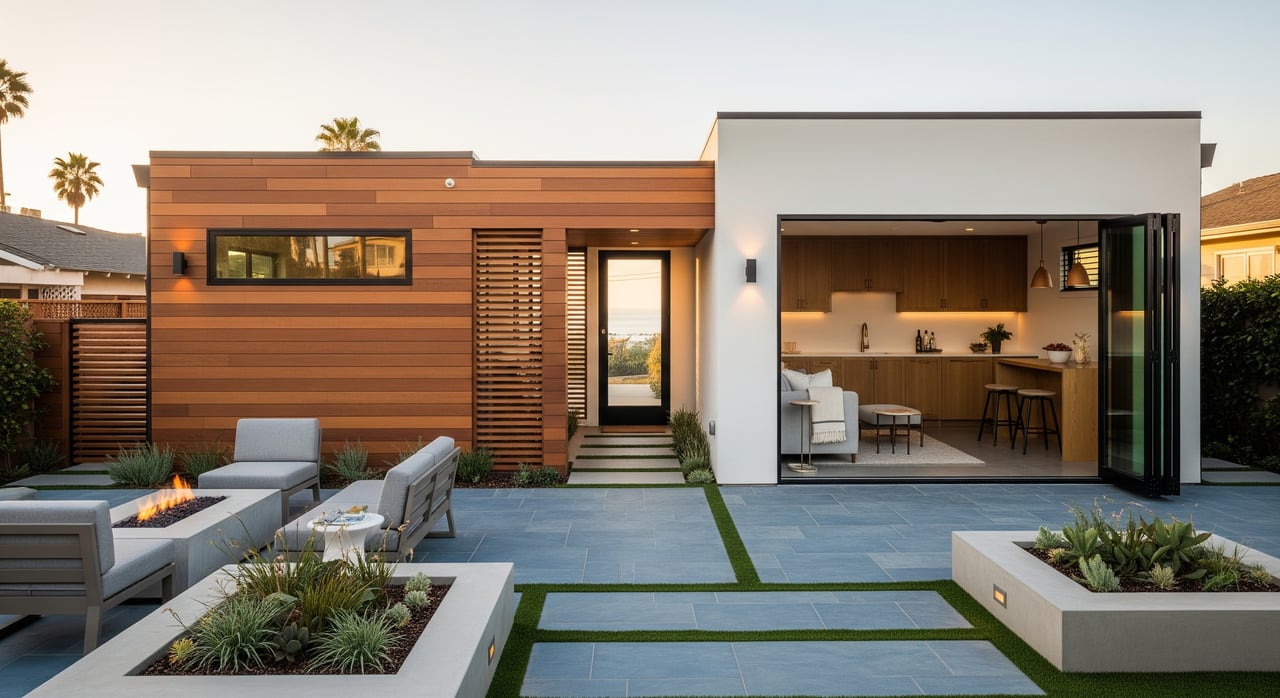
- Detached ADU. A new, separate structure, often in the rear yard.
- Attached ADU. Added onto the main house with a separate entrance.
- Conversion ADU. Built by converting existing space, like a garage or accessory building.
- Junior ADU (JADU). A compact unit, typically up to 500 square feet, created from existing space and often sharing some facilities.
Each option has tradeoffs. Conversions and JADUs are usually faster and less costly. Detached units can be larger and more private, which can support higher rent.
Redondo Beach rules overview
California law streamlines ADUs and sets limits on local restrictions. Redondo Beach can apply objective design standards, but those standards cannot block ADUs that meet state rules. You should confirm current local standards for setbacks, height, lot coverage, and maximum size before you design.
Redondo Beach is within the Coastal Zone. Depending on your location and project scope, you may need a Coastal Development Permit or an LCP consistency review. Coastal rules focus on exterior changes, public views, and conformance with the Local Coastal Program. Build in time to confirm coastal requirements early.
Parking rules are flexible under state law, especially near transit or when converting existing structures. You may still need to address replacement parking if you remove covered spaces. Historic resources and overlays can also add review steps. Finally, check utility connections and easements. Separate meters, sewer capacity, and access can affect siting and costs.
Permits and timeline
Here is the typical flow for Redondo Beach ADUs. Exact steps may vary by property and current City procedures.
- Pre-application. Confirm zoning, size limits, setbacks, coastal status, and required permits.
- Schematic design. Prepare a site plan with the footprint, access, and any parking plan.
- Planning/coastal review. Objective compliance review and, if required, coastal review or permit.
- Building plan check. Submit architectural, structural, MEP, energy, and related plans.
- Utility approvals. Confirm water, sewer, stormwater, and any new laterals or meters.
- Permit issuance and construction. Address plan-check corrections and begin work with inspections.
- Final inspection and CO. Obtain final sign-off and a certificate of occupancy before renting.
Typical timelines vary with complexity and the permit queue:
- Planning sign-off: about 2 to 8 weeks.
- Building plan check and permits: about 4 to 16 weeks.
- Construction: about 3 to 9 months for most detached or conversion ADUs.
If a Coastal Development Permit is required, add several months for notices and hearings. The most common delays come from incomplete plan sets, coastal/LCP issues, and contractor or materials lead times.
Costs and fees
ADU budgets include several buckets. Knowing what to expect helps you build a realistic pro forma.
- Hard construction costs. Site work, foundation, framing, exterior finishes, roofing, windows, interior finishes, kitchen and bath, HVAC, electrical, and plumbing.
- Soft costs. Architecture, engineering, structural calculations, energy compliance, surveys, soils or geotechnical if needed, and design consultants.
- Permits and impact fees. City plan check and permits, water and sewer connections or capacity fees, stormwater compliance, school district developer fees where applicable, and coastal processing fees if required.
- Utility work. New or extended water and sewer laterals, meter installs, and drainage solutions.
- Financing and carrying costs. Interest during construction, lender inspections, and insurance.
- Furnishing and appliances. Especially if you plan to rent the unit furnished.
Expect soft costs, permits, and utility connections to be meaningful line items, not incidental. For accurate numbers in Redondo Beach:
- Request itemized bids from 2 to 3 local ADU-experienced contractors.
- Ask the City for current fee schedules and recent ADU permit valuations.
- Work with an architect who regularly submits ADUs to Redondo Beach Building & Safety.
Financing options
Your financing choice shapes cash flow and risk. Compare terms and timing before you commit.
- Cash. Simple and fast, but it ties up liquidity.
- HELOC or home equity loan. A common choice for ADUs; rates and limits depend on equity and credit.
- Cash-out refinance. Replaces your mortgage and frees capital for construction; monthly payment can go up or down depending on rate and term.
- Construction or construction-to-perm loans. Useful for larger, ground-up detached units.
- Renovation loans. Some FHA, VA, and conventional products can finance ADU work if the scope meets program rules.
- Personal loans or private financing. Less common for full ADUs due to limits and cost.
Lenders increasingly recognize ADUs in underwriting. Some will consider projected rental income, and appraisers may reflect ADU value. Expect to provide plans, a detailed budget, and a signed contractor agreement for construction loans. Public incentives and rebates change often, especially for energy-efficient upgrades, so check for current programs. For taxes, construction adds to your property’s basis, and rental income is taxable, with typical deductions available. A CPA can help you set up the right structure.
Income and ROI basics
To estimate rent, look at comparable local rentals by size, privacy, parking, and proximity to the ocean. Consider whether you will offer the unit furnished and which utilities you will include. Short-term rental rules vary in coastal cities, so verify local policies before modeling short-term stays.
Build a simple operating budget with these typical items:
- Property management. Often 6 to 10 percent of monthly rent for long-term leases.
- Vacancy. Commonly 5 to 10 percent, depending on the market.
- Maintenance and repairs. Budget a modest annual amount based on age and condition.
- Insurance. Adjust your policy or add a landlord endorsement.
- Utilities. Estimate costs if you plan to pay water, sewer, trash, or electricity.
Use straightforward metrics to evaluate return:
- Gross Rent Multiplier (GRM) = Total project cost ÷ Gross annual rent. Lower is better.
- Cap rate = Net Operating Income ÷ Total project cost, where NOI = Gross rent − Operating expenses.
- Cash-on-cash return = Annual pre-tax cash flow after debt service ÷ Total cash invested.
- Payback period = Total project cost ÷ Annual net cash flow.
As a quick example with variables, if monthly rent is R, annual gross is 12R. If annual operating expenses are E, NOI is 12R minus E. Dividing NOI by your total cost gives a simple cap rate to compare against other investments. Your financing terms, rent assumptions, and any cost overruns will change the outcome, so model a conservative and an optimistic case.
Redondo Beach ADU checklist
Before design
- Confirm zoning and ADU allowances with the City of Redondo Beach Planning Division.
- Determine if your lot is in the Coastal Zone and whether a Coastal Development Permit may be required.
- Check for historic overlays, easements, and deed restrictions.
- Gather rough cost ranges from a local architect and ADU-experienced contractors.
During planning
- Ask for pre-application feedback if offered by the City.
- Prepare a complete plan set: site plan, architectural plans, structural calculations, and energy forms.
- Request a current fee schedule and estimated timelines for plan check and permits.
During financing
- Talk to lenders early about loan structure and whether projected rent can count toward underwriting.
- Obtain multiple contractor bids and check Redondo Beach permit experience and references.
During construction
- Add a 5 to 15 percent contingency and track budget and schedule in real time.
- Coordinate required inspections to avoid re-inspections or delays.
- Complete final sign-off and safety items before move-in or leasing.
Risks and watch-outs
Coastal requirements can add time. Clarify whether your project needs a Coastal Development Permit before you finalize plans. Incomplete plan sets are another top delay, especially missing structural calculations, energy documents, or utility details. Title constraints, utility easements, and steep sites can complicate detached ADUs. Contractor backlog and materials lead times may also push your schedule, so build flexibility into your plan.
On the cost side, site work and utility connections are the most common surprises. Verify sewer capacity, lateral routes, and drainage early. Consider separate meters if you plan to lease long term. Keep fixtures and finishes aligned with your rent target to control costs without hurting marketability.
Next steps
If you are weighing an ADU for multigenerational living, rental income, or future resale value, a local strategy matters. We can help you understand likely tenant demand in your neighborhood, how an ADU may influence buyer appeal, and the timing that aligns with your larger goals. If a sale is on the horizon, we can also leverage Compass tools like Concierge and bridge-loan solutions to simplify prep and sequencing.
Have questions about how an ADU could fit your property plan in Redondo Beach? Reach out to the Stearns Lieb Team for a confidential conversation and local guidance tailored to your goals.
FAQs
What is an ADU versus a JADU in California?
- An ADU is a full secondary unit, while a JADU is typically up to 500 square feet created from existing space and may share some facilities.
Do Redondo Beach ADUs need coastal permits?
- Properties in the Coastal Zone may require a Coastal Development Permit or LCP consistency review, depending on location and scope.
How long do ADU permits take in Redondo Beach?
- Plan check and permits commonly take 4 to 16 weeks after planning sign-off, with construction ranging 3 to 9 months for most projects.
Can I convert my garage to an ADU in Redondo Beach?
- Garage conversions are often allowed under state law, but you must confirm setbacks, replacement parking rules, and coastal consistency.
What are typical ADU operating costs for rentals?
- Plan for management, vacancy, maintenance, insurance, and utilities, with management often 6 to 10 percent and vacancy 5 to 10 percent for long-term leases.
Will rental income from my ADU count for a loan?
- Some lenders consider projected ADU rent, but underwriting policies vary, so confirm early and provide plans and cost details.
How do ADU costs break down in Redondo Beach?
- Costs include hard construction, soft costs, permits and impact fees, utility work, financing carry, and any furnishings or appliances.
What ROI should I expect from a Redondo Beach ADU?
- Use conservative rent and expense assumptions to model cap rate, cash-on-cash return, and payback, and compare to your financing terms and risk tolerance.